NASA Experience
Summary of mechanical design, analysis, and integration and testing performed at NASA Goddard
Overview
Over two summers at NASA Goddard I worked on flight‑grade mechanical systems covering design, analysis, and hands‑on integration and testing. Responsibilities included mounting and support systems, gear‑train design and verification, and qualification testing of seals and optical assemblies.
Summer 2024 — Model‑T Gear Train Design

During Summer 2024 I modeled and verified the Model‑T deployable telescope gear train, defining geometry, material choices, and torsional requirements to meet launch and deployment constraints. I used Autodesk Inventor for CAD and Mathcad to justify torque, fatigue, and durability choices, and performed trade studies to reduce stress while improving performance.
Summer 2025 — Rigging System Design and Integration and Testing
Selected integration and testing activities and teaching demonstrations — click thumbnails to view full images.
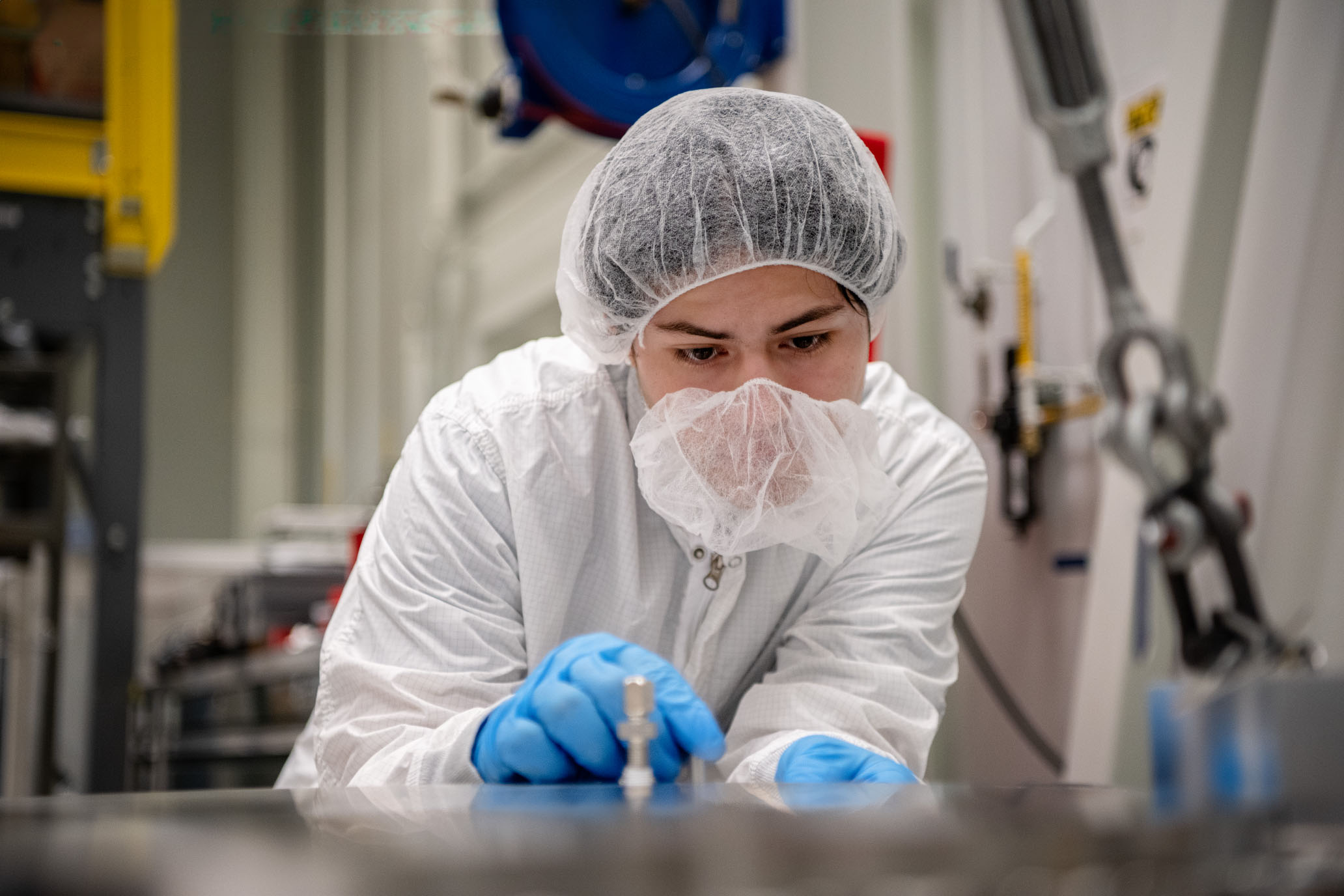
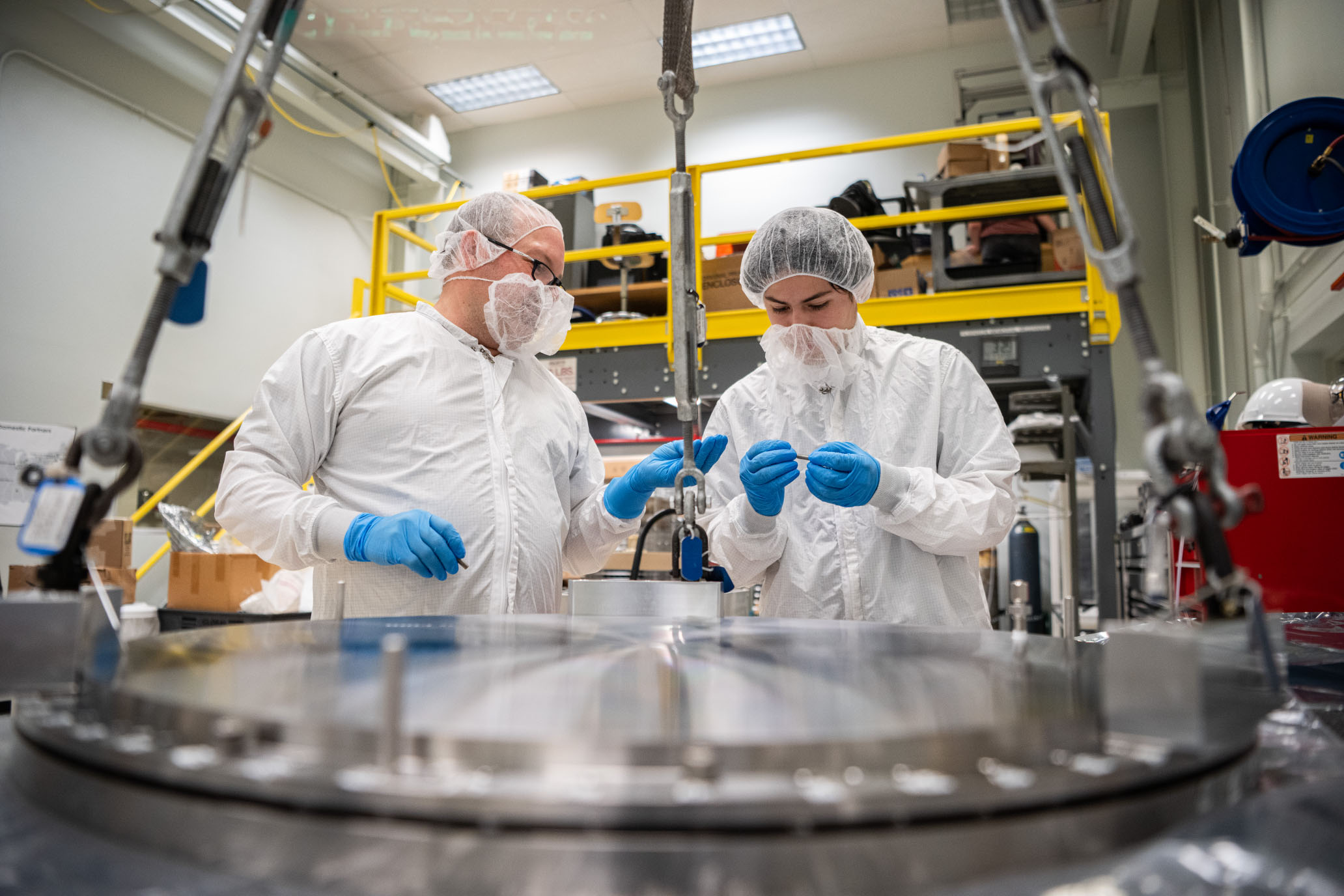
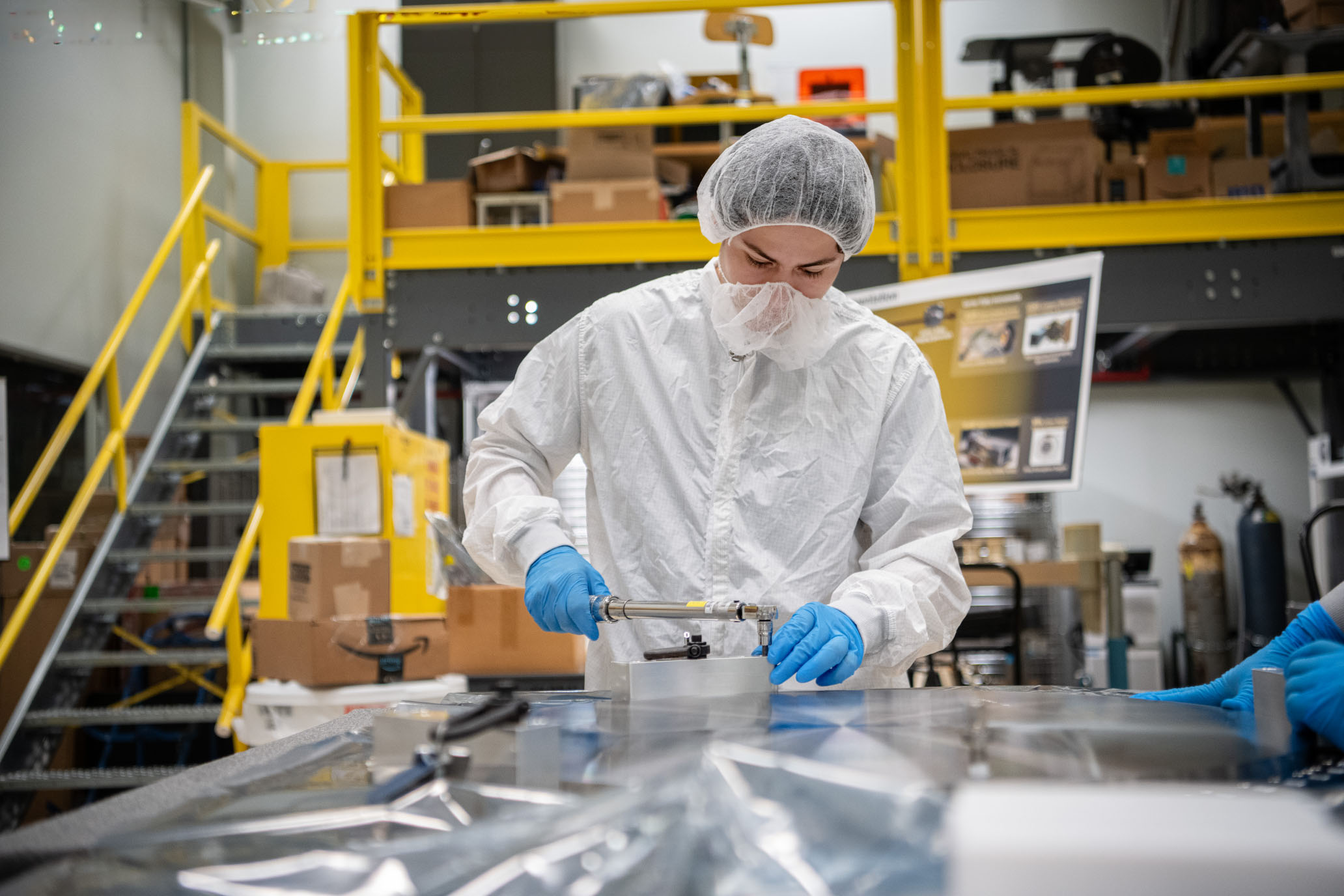
In Summer 2025 I focused on rigging system design and performed hands‑on integration and testing for flight‑grade hardware, including tolerance verification, vibration and leak testing, optical alignment, and qualification of precision metal seals and sapphire windows. These activities supported reference hardware and mission needs across multiple subsystems.
Note: no images or specific data for my work on the Landsat Next startracker rigging system can be shared here as that work is classified.
Tools & Methods
Primary tools included Autodesk Inventor, ANSYS, MSC Nastran/ADAMS, Mathcad, and MATLAB. Work followed structured test plans, environmental testing (vibration, leak, thermal/vacuum), and documented verification procedures.